Salt Air and Sea Wind: Why Portsmouth Roofs Grow Moss
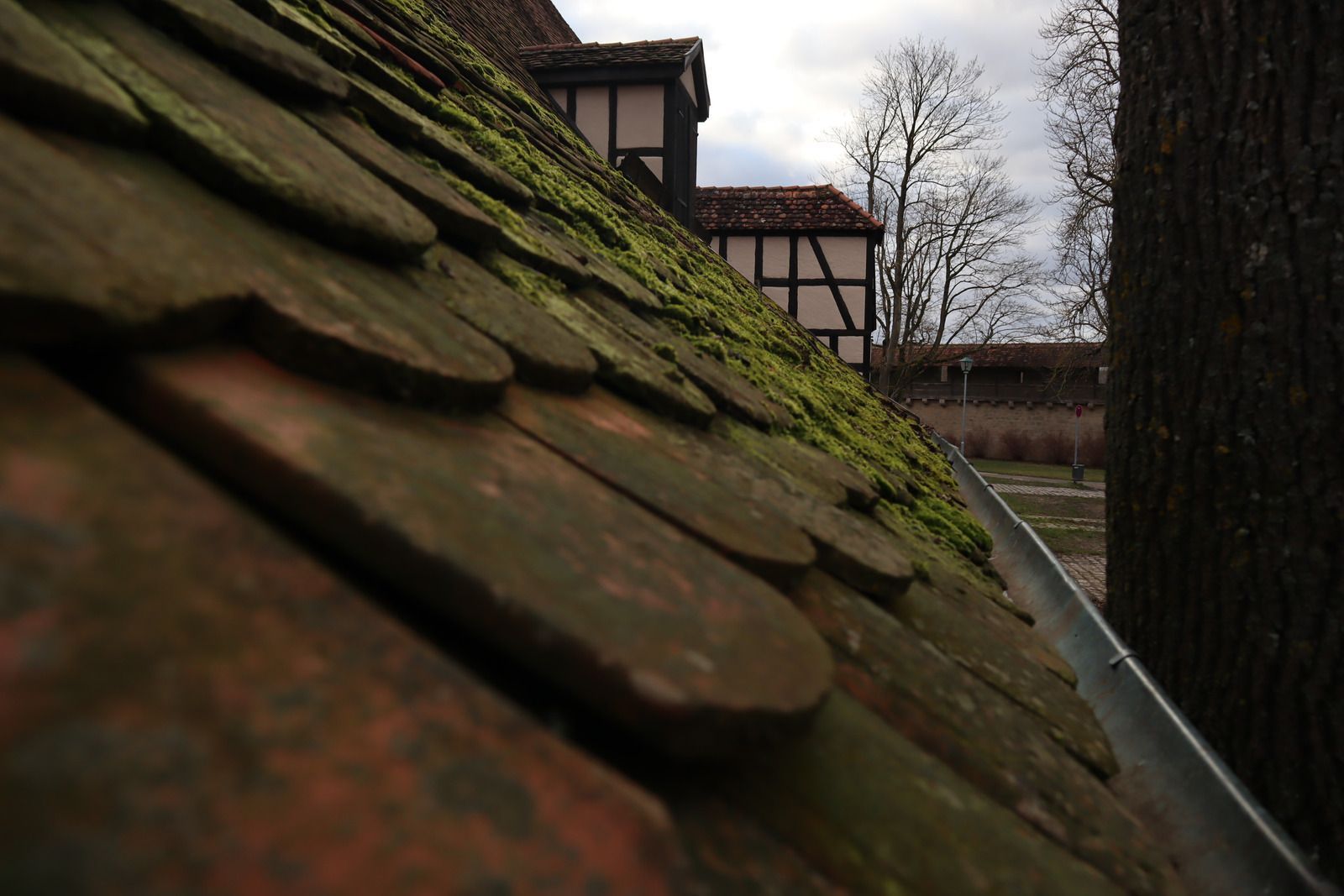
Look up at your roof after a wet Portsmouth winter and you'll often spot it. Green streaks, dark patches, and little clumps of moss wedged between the tiles.
Living on Portsea Island puts your roof straight in the path of salt air rolling off the Solent. Mild, damp weather and a steady sea wind make a near-perfect growing kit for algae and moss.
The quick answer: Portsmouth roofs grow algae and moss because the city sits low, flat, and exposed right on the coast, where mild maritime air keeps tiles damp for long spells. Airborne spores and salt settle on shaded slopes, moss takes hold, and then it soaks up even more water. Low-pressure soft washing clears it off without wrecking your tiles.
1. The sea air here barely dries out
Portsmouth is one of the mildest, sunniest spots in the whole UK. But it's also ringed by water on nearly every side, and your roof feels that far more than you do.
Moisture blows in off the Solent and simply hangs around. Tiles that stay damp for hours give algae the wet surface it needs to spread. And because the island is so flat and low-lying, there's barely any high ground to shelter roofs from that constant sea damp.
So even on a dry-looking day, the surface of your tiles can hold enough moisture to keep growth alive and ticking over.
2. Why north-facing slopes cop the worst of it
Walk down almost any street in Southsea or Fratton and you'll notice one side of the roofs looks greener than the other. That's no accident.
North-facing slopes get less direct sun, so they dry out slowly. In a coastal city where the air already carries plenty of moisture, those shaded pitches stay wet through most of the day in autumn and winter. Algae thrives on exactly that.
It usually shows as dark green or black staining, worst on the slope that never quite catches the sun.
3. Salt, spores, and what actually lands up there
Sea wind carries more than moisture. It carries fine salt particles, and salt pulls water out of the air and holds it against your tiles.
Add drifting algae spores and moss fragments, which travel easily across a tightly packed island, and your roof becomes a landing pad. The same Solent breeze that makes Southsea seafront a magnet for kite surfers is the breeze dropping spores on your ridge line.
Once they settle on a damp, salty surface, they don't need much else to get going.
4. What moss does once it settles in
Algae stains. Moss does real damage. It's thick, it holds water like a sponge, and it spreads across tiles until it starts working into the gaps.
On Portsmouth's older terraces, that trapped water sits against clay tiles and mortar through every freeze and thaw. Here's what a moss-heavy roof tends to cause:
- Trapped damp: moss holds rainwater against tiles long after the sky clears.
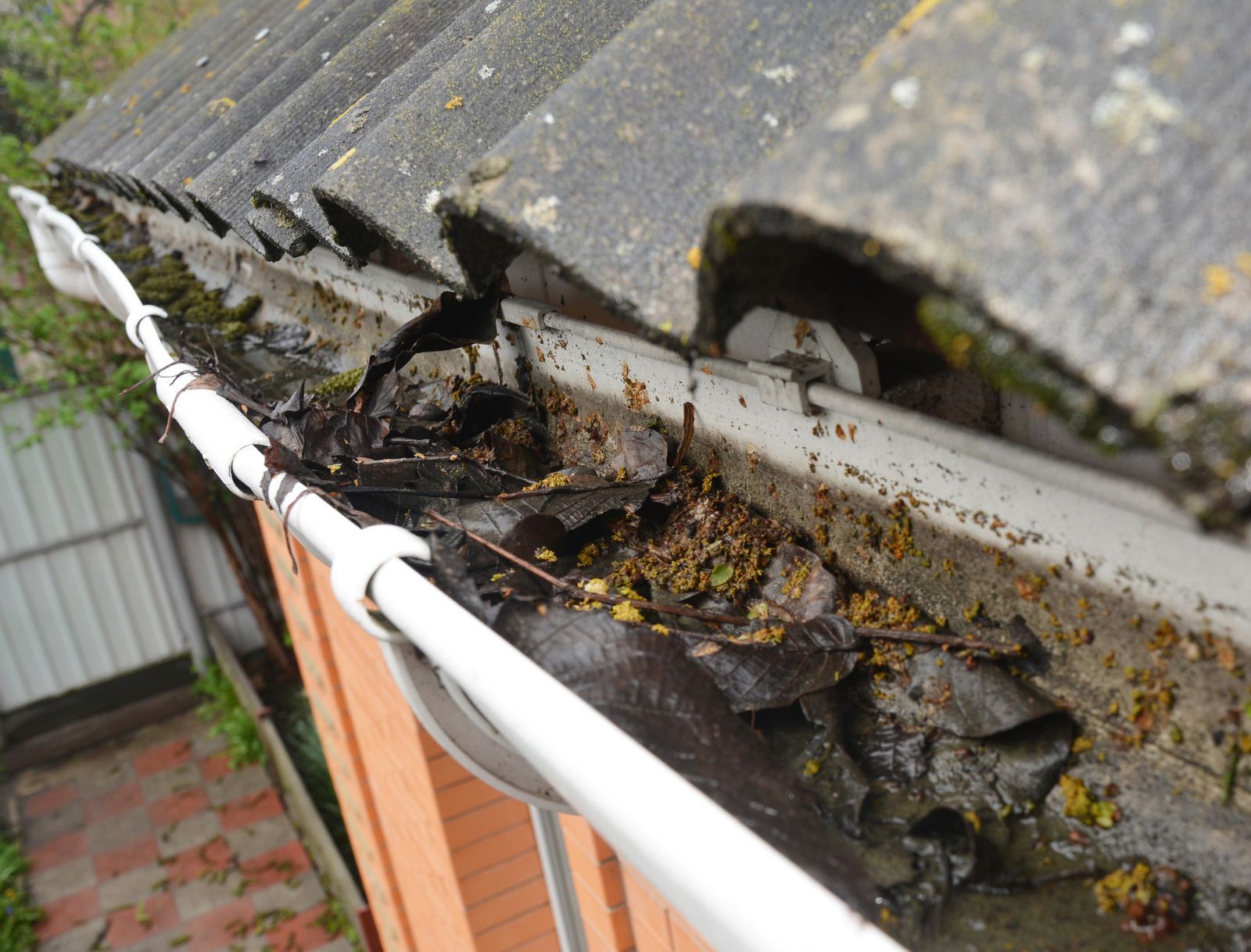
- Blocked gutters: loose moss slides off and clogs downpipes, especially on long terraced runs.
- Frost damage: water in the gaps freezes, expands, and cracks tiles over winter.
- Slipped tiles: heavy growth adds weight and works old fixings loose.
- Damp patches inside: water that gets past the tiles can show up on your ceilings.
None of that fixes itself. It just gets heavier.
5. Packed-in terraces let it spread house to house
Portsmouth is the most densely populated city in the UK outside London, and you can read it in the rooflines. Terraces run in long unbroken rows, roofs almost touching.
That closeness means moss and algae hop from one property to the next with barely a gap to cross. If your neighbour's roof is green, yours is getting a steady supply of spores whether you like it or not.
My honest view? On a street like that, cleaning your own roof helps, but a tidy roof sat next to a mossy one won't stay tidy forever. Worth keeping half an eye on it.
6. How soft washing clears it without the damage
The fix isn't to blast it. High pressure can strip the surface off older tiles and force water underneath them, which is the last thing you want on an exposed coastal roof.
Soft washing uses low-pressure water plus a biocide that kills the moss, algae, and spores at the root. The growth dies back and weathers away, and the treatment carries on working after we've packed up.
For Portsmouth's salt-exposed, closely packed roofs, that gentle approach just makes sense. It cleans the tiles without piling onto the wear the sea air already causes.
Frequently Asked Questions
How often should a Portsmouth roof be cleaned?
Because of the damp coastal air, most roofs here do well with a check every couple of years. Shaded, north-facing slopes may need it sooner.
Does salt air really make moss worse?
Yes. Salt holds moisture against the tiles, and a wetter surface gives algae and moss more time to grow.
Will the moss just grow back after cleaning?
Growth returns eventually in any coastal city, but a proper soft wash with biocide slows it right down compared with scraping alone.
Is pressure washing bad for my tiles?
It can be. High pressure can strip surfaces and drive water under tiles, so we use low-pressure soft washing instead.
Do you clean gutters at the same time?
Yes, we offer gutter cleaning too, and clearing loose moss from the gutters usually goes hand in hand with a roof clean.
Seeing green creep across your roof?
Ben's Roof Cleaning works across Portsmouth and Hampshire, with over 15 years of experience. Get in touch or call 07889 127153
for a free, no-obligation quote.
Coastal roofs need a bit more attention, and that's fine
Living by the Solent comes with sea views, salty air, and roofs that green up faster than most. It's part of owning a home on the island.
Catch the moss early, treat it gently, and your tiles will shrug off Portsmouth's weather for years. Leave it to build, and the sea air will just keep feeding it.