Portsmouth's Victorian Terraces: Why Roof Cleaning Matters
If you live in one of Southsea's Victorian terraces, your roof is probably older than your grandparents. And it's still doing a job it was built for well over a hundred years ago.
Portsmouth grew fast in the 1800s to house dockyard and naval workers. Street after street of terraced homes went up, and most of those roofs are still the originals, give or take a few repairs.
The quick answer: Cleaning a Victorian terrace roof matters because these roofs are old, packed close together, and built with materials that suffer when moss and damp are left to sit. On Portsmouth's tight streets, one neglected roof drags on the whole row. A gentle soft wash keeps the tiles sound and stops small problems turning into pricey ones.
1. Why Portsmouth ended up with so many terraces
The dockyard is the reason the city looks the way it does. As the Royal Navy expanded through the Victorian era, thousands of workers needed homes near the water, and fast.
Builders answered with dense rows of terraces across Landport, Fratton, and Southsea. It was cheap, quick, and it fit a lot of families onto a small island. Those same streets are still lived in today.
Your roof is part of that history, whether you think about it or not.
2. What these old roofs are actually made of
Most Victorian terraces here were roofed with natural slate or clay tiles. Both are good materials. Both are also getting on in years.
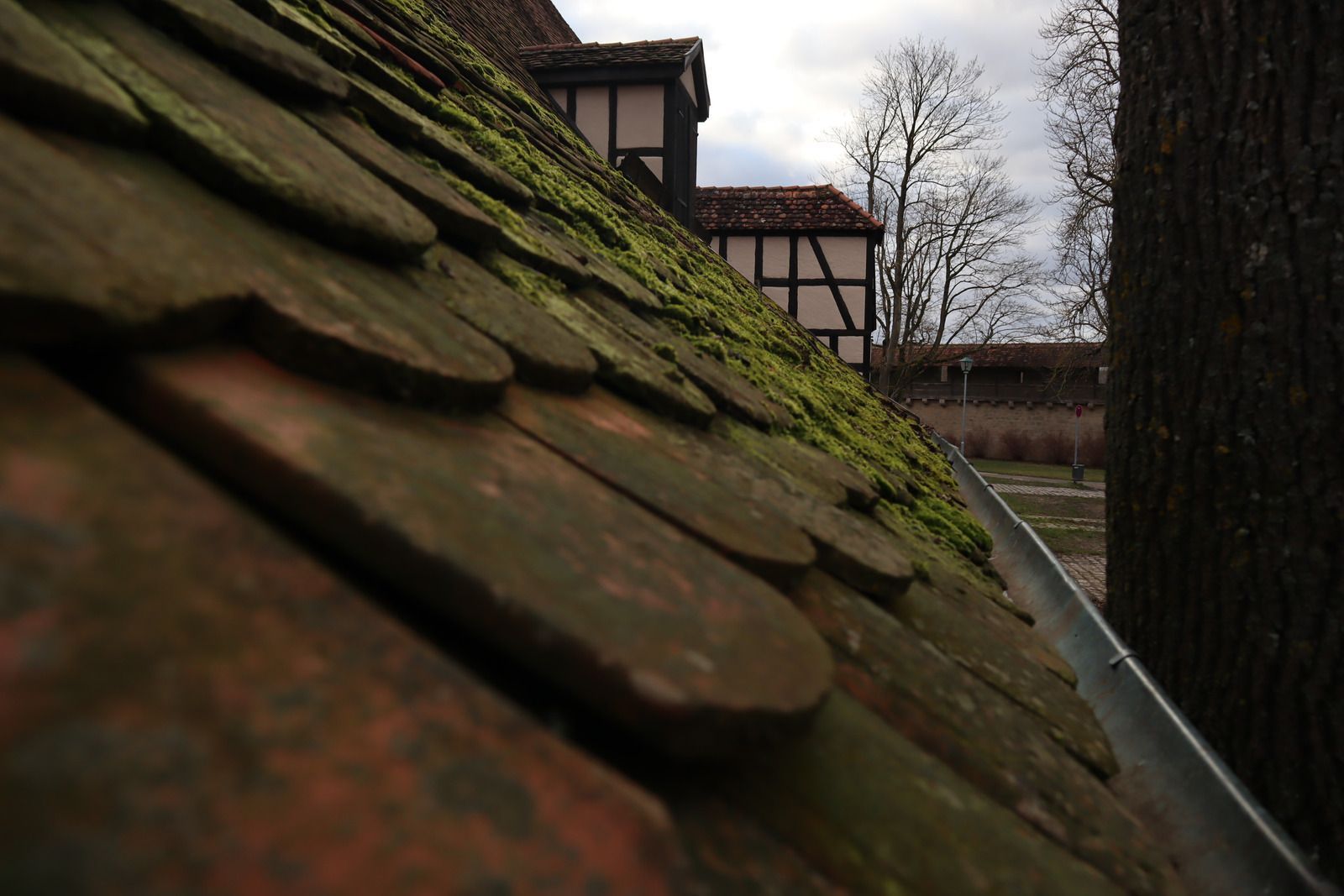
Old slate goes brittle with age, and the nails holding it, the bits roofers call the fixings, rust and weaken. Clay tiles can craze and flake. Piling heavy wet moss on top of tired materials like these is asking for trouble.
And on the coast, that ageing happens a touch faster thanks to the salt in the air.
3. Shared walls mean shared problems
Terraces don't stand alone. Your roof butts right up against next door, and the party wall runs between you.
So when moss blocks a shared valley or a gutter along a terraced run, the water doesn't politely stay on one property. It backs up and finds whichever house is nearest. A damp problem that starts three doors down can end up as your damp problem.
That's the bit people forget about terrace living.
4. What happens when an old roof gets ignored
Leave a Victorian roof to fend for itself and the small stuff stacks up. None of it looks dramatic at first. That's exactly why it gets missed.
Here's how neglect usually shows on Portsmouth terraces:
- Moss in the valleys: the joins between roof slopes clog and hold water.
- Crumbling mortar: ridge and hip tiles work loose as the old bedding fails.
- Slipped slates: rusted fixings let tiles slide, leaving gaps.
- Green front slopes: algae stains the most visible roof on the street.
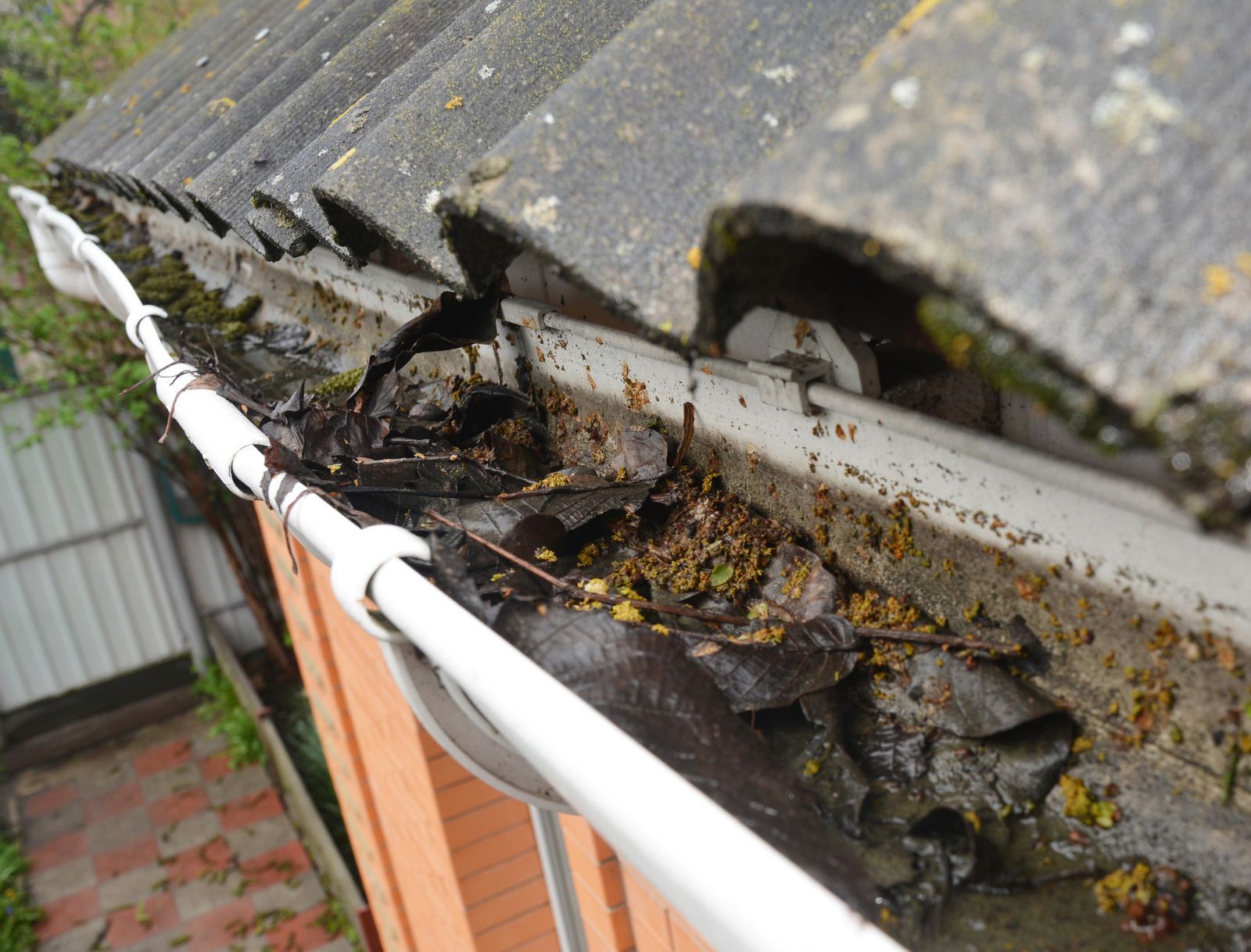
- Overflowing gutters: blocked runs spill down the brickwork and soak the walls.
Catch these early and they're cheap. Ignore them and they're not.
5. Getting to these roofs isn't always simple
Portsmouth's terraced streets are narrow, and parking is famously tight across the island. There's often nowhere to drop a van, let alone swing a long ladder safely.
That's one more reason to sort a roof properly when it's done, rather than climbing up there every other month. A thorough clean and treatment means fewer trips, which counts for a lot on streets where access is a puzzle.
It's also safer. These are old roofs, and clambering about on brittle slate is a bad idea for a homeowner.
6. Cleaning that respects an old roof
An old roof needs a light touch. You can't treat century-old slate the way you'd treat a modern concrete tile.
Soft washing suits these roofs well. Low-pressure water lifts the dirt and a biocide kills the moss and algae without hammering the tiles or forcing the fixings. The roof gets clean, and it stays in one piece.
Honestly, on a heritage terrace, gentle is the only sensible way to go.
Frequently Asked Questions
Are Victorian slate roofs too fragile to clean?
Not at all, they just need the right method. Low-pressure soft washing cleans them without the force that could crack old slate.
How do I know if my terrace roof is original?
Natural slate and older clay tiles are common on Portsmouth terraces. If you're unsure, we can take a look and tell you what you've got.
Can moss really spread from my neighbour's roof?
Yes. On terraces the roofs almost touch, so spores travel easily from one property to the next.
Do you handle the moss in shared valleys and gutters?
We do. Clearing valleys and gutters is part of keeping a terraced roof draining properly.
Is it worth cleaning an old roof or should I just replace it?
Most tired-looking roofs simply need cleaning and minor attention, not replacement. A clean often buys an old roof many more good years.
Got a Victorian terrace that's looking tired up top?
Ben's Roof Cleaning works across Portsmouth and Hampshire, with over 15 years of experience. Get in touch or call 07889 127153
for a free, no-obligation quote.
These roofs have lasted a century, and they can last longer
Portsmouth's terraces were built to last, and plenty of them have outlived everyone who first moved in. A bit of care keeps that going.
Clean the moss off, keep the gutters clear, and your old roof will keep shrugging off the salt air. That's a fair trade for a roof this age.